


Die Schülerinnen und Schüler der 6C haben im Rahmen des Englischunterrichts verschiedene Projekte zum Thema „Environment“ realisiert. Diese werden im Folgenden präsentiert.
AI Race
The Environmental Repercussions of War
Sebastian Klopf, Alexander Illes, Laurenz Stepke, Iwen Nasrallah
Ocean pollution
by Amelie Helmcke, Helena Zillich, Julia Novak, Melanie Horvat, Noemi Franz
Oil spills
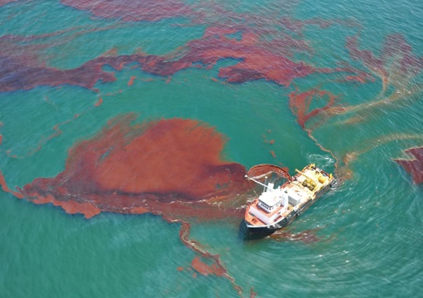
Oil is an ancient fossil fuel us humans use to heat our homes, power our industries, or use as an electrical source. It is extracted from the ocean floor by gigantic drills, so called oil rigs. But when massive amounts of this substance finds its way into the ocean or into any kind of ecosystem, huge problems occur.
https://oceanservice.noaa.gov/education/tutorial-coastal/oil-spills/os-03-skimming-oil.jpg

In general, oil sticks to everything it touches, whether it is sand, rocks, birds, mammals, reptiles, or fish. This is called fouling or oiling, in which the animals coat or feathers is damaged. Also, due to oil being extremely poisonous/toxic, it damages especially their organs and immune system, in worst cases it can even lead to death.
But this is not only a problem for sea life, it is also a problem for us, the humans. Many might have heard about Deepwater Horizon, an oil rig that exploded on April 20th, 2010, in the Gulf of Mexico. This caused the deaths of 11 workers, and 17 others were injured. The survivors suffered life long physical damage because of the oil exposure.
The people who help the wildlife after an oil spill also encounter this toxic substance. We as consumers might eat fish who came into contact with it. Lastly our beautiful planet gets destroyed because of greedy men who underpay their employees, send them into danger, destroy ecosystem, and do not care about the earth. For what? Money.
Chemical Pollution
https://upload.wikimedia.org/wikipedia/commons/f/fa/Great_Pacific_Garbage_Patch-Map-2017.jpg

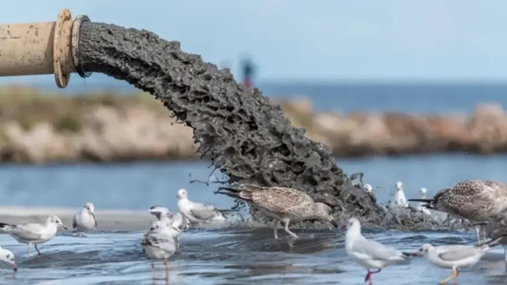
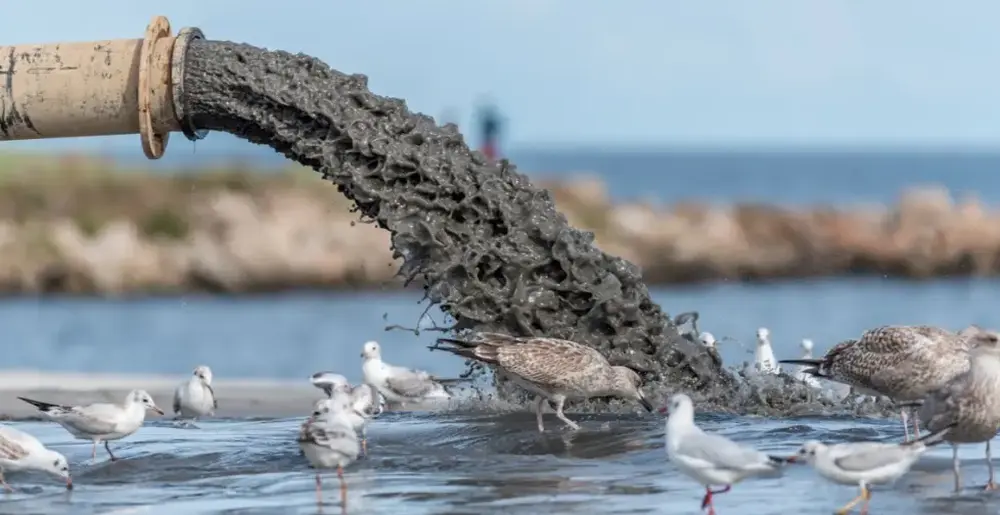
Chemical waste is a form of contamination with harmful, artificial, or anthropogenic (human made) pollutants. The most common being fertilizers, pesticides/herbicides, cleaning detergents, industrial chemicals, and sewage. These in turn introduce excessive nutrients, toxins, poisons, and metal into an ecosystem. They replace spaces in the food chain, which means that the higher an animal is in the food chain, the more chemical waste it consumes. Most chemicals reach the ocean via rivers and streams. These are most likely to occur in areas that have recently been flooded. The copious amounts of rainwater then pick up any chemical that is on land and contaminate the river.
At first the fertilizer and nutrients seem beneficial, but the long-term effects of these can cause a so called ecological dead zone. The chemicals support algae growth, which feeds small animals, then these animals are eaten by bigger predatorial animals, this leading to a population overgrowth. More animals mean more faeces, which then leads to the pH level of the water changing and everything dying.
There are currently about 400 dead zones across the world’s oceans.
Overfishing
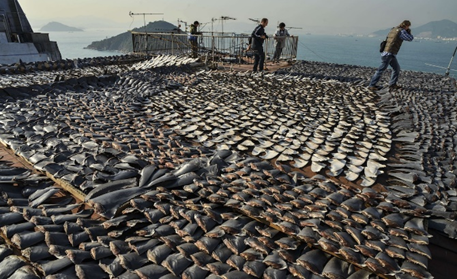
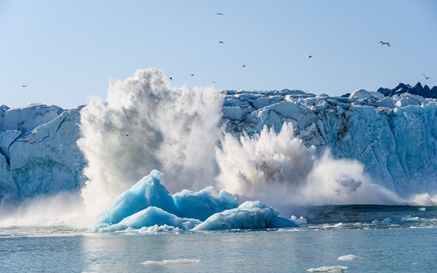
Overfishing happens when fish are caught faster then they can reproduce. According to FAO1 a third of all fish population is being overfished. That is 3 times more than 50 years ago. But overfishing not only harms the fish population by catching too much of one species, but there is also a chance that there are animals like turtles and dolphins that are caught in the net to.
There are multiple reasons for overfishing. For example, around 30% of global catches are illegal, unreported, or unregulated. Those fish amount to $36.4 Billion annually.
Fish stock like Tuna and Cod have dropped drastically. A lot of species have become endangered like sharks and sea turtles. Overfishing disrupts food chains and damages marine habitats. Many people in coastal areas make a living by fishing but due to dropping fish stocks, jobs and food resources disappear.
Many solutions are being gathered by big firms like WWF. They started fishing improvement projects to promote sustainable sourcing and traceability. WWF and other companies also want to end illegal fishing and create marine protected areas worldwide.
Climate change
https://www.ecowatch.com/wp-content/uploads/2023/08/overfishing-shark-fins.jpg
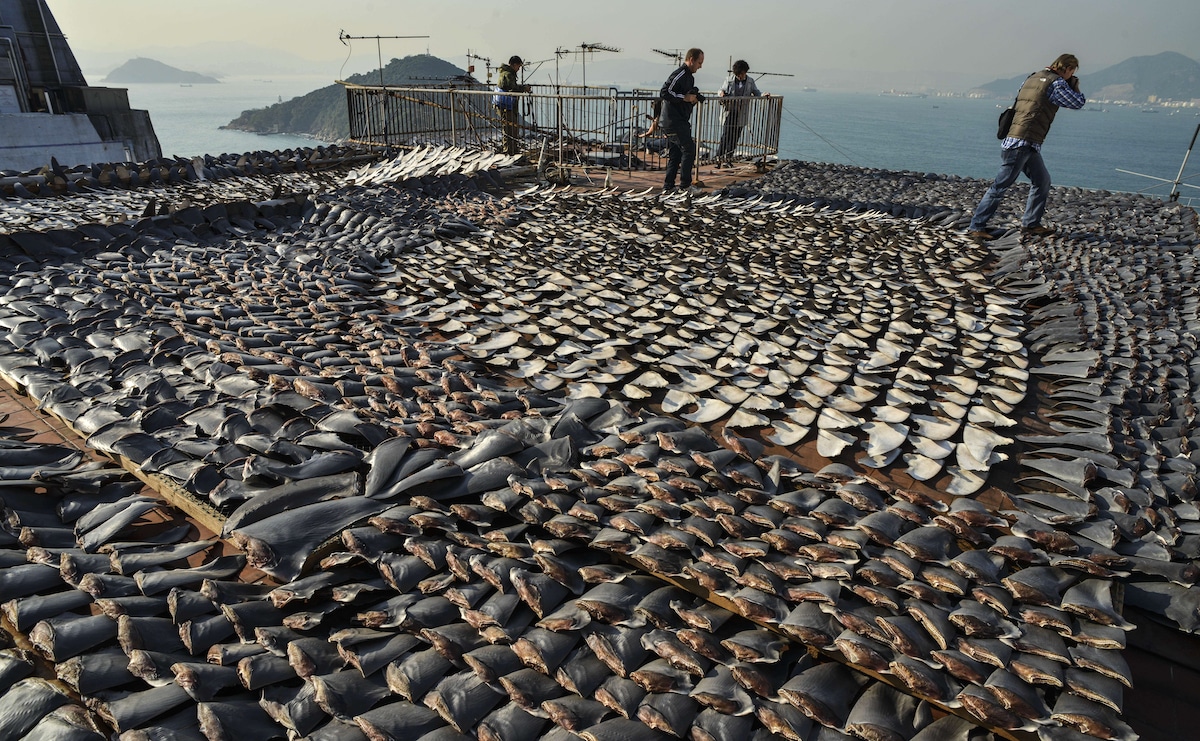
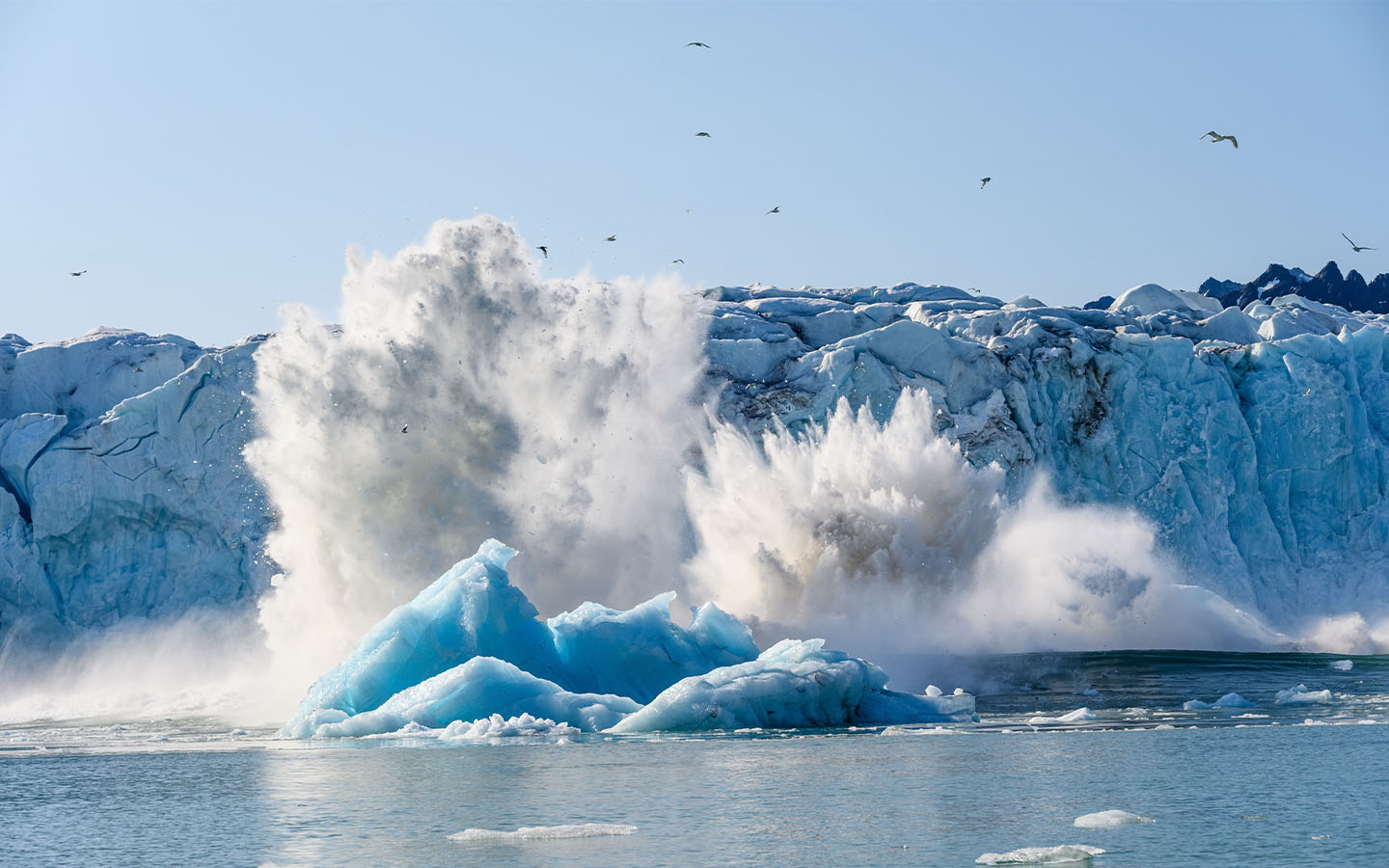
There is a general problem with ocean warming. The ocean has absorbed 90% of the excess heat all around the world and the greenhouse gas emissions. This causes the water to expand and the ocean levels to rise, as well as the melting of the ice caps at the poles, which threaten coastal communities and ecosystem with a higher flood rate. Additionally, there is also a higher storm possibility, and it contributes to heatwaves that kill marine animals and whole ecosystems like coral reefs and kelp forests. Because of this, the water also holds less oxygen then normal. Furthermore, the animals shift their geographic location, fleeing from their natural habitats. This in term causes disruptions in the food chain and whole ecosystems, because the natural order like symbioses between animals and plants is destroyed.
Also, the water becomes increasingly more acidic, due to it absorbing a large amount of CO2 threatens the health of many species, that are now more vulnerable to diseases. Changes in ocean currents also further impacts oxygen distribution and nutrients in ways that harm marine animals.
Coral reefs
https://macaonews.org/wp-content/uploads/2024/10/Ocean-Climate-Change.jpg
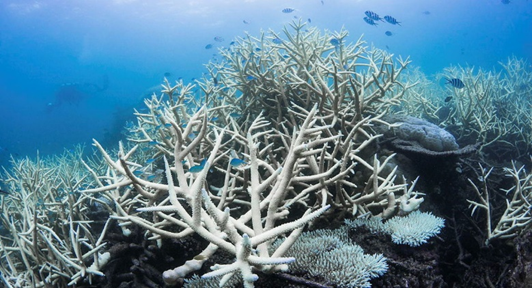
One of the planets most valuable ecosystems are coral reefs. They are habitats for fish, protect shorelines and provide medicine. But they are slowly dying. When environmental stressors, like oil spills, plastic or climate change, affect corals, expel they their symbiotic algae, where they in turn lose their main food source, turn white, this is called coral bleaching and can only recover when the stressor subsides. As a result, thousands of unique species go extinct. Also, some chemicals that are used in sunscreen can also damage corals, cause bleaching and harm reef growth.
Plastic
https://encrypted-tbn0.gstatic.com/images?q=tbn:ANd9GcR3GqjaBMgz2XdGmbAzH_vxO9tDJk6cijmGJg&s
Plastic leaks into the ocean from thousand of sources all over the world every day. Increased consumption combined with improper waste management in many countries has made plastic pollution a worldwide problem, causing damage not only to the environment, but also human health and the economy.
While higher income countries consume much more plastic than lower income countries, the plastic problem also affects the lower income countries more. Due to storms and heavy rain, the plastic is washed into waterways where it gets carried into rivers and in the ocean. Once a plastic piece lands in the ocean it can stay there for a very long time.
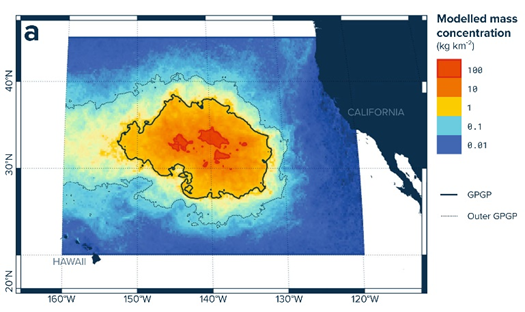
Plastic accumulates in huge areas-the most polluted and best studied one is called the great pacific garbage patch, located, as it name lets you assume, in the north pacific. It is already triple the size of France or Thailand.
The marine wildlife suffers the most, because they mistakenly eat the plastic, thinking that it is food. But it also impacts coral reefs, they lose their colour and die.
Moreover, plastic does not only harm nature, but it also endangers humans. Most people do not even realize how much micro plastic we consume. It is in our seafood, tap water and salt, which potentially leads to poisoning, since the plastic passes through the blood barrier in only two hours after consumption.
Cruise ships
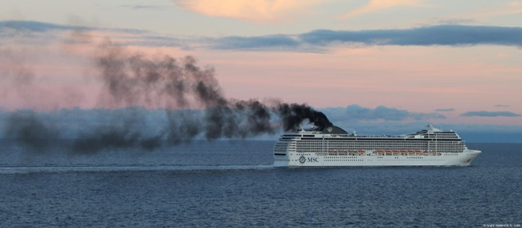
Cruise ships are a major source of ocean pollution. They release copious amounts of wastewater containing chemicals, oil and sewage, which can harm coral reefs and marine life. Their engines burn heavy fuel, emitting carbon dioxide and other gases that lead to air pollution and ocean acidification. Cruise ships also produce tons of plastic and solid waste, that later ends up in the sea. Populare cruise areas like the Caribbean and the Mediterranean are especially affected. Although new technologies and stricter rules aim to reduce pollution, but many ships still fail to meet environmental standards.
Solutions
https://www.un.org/sites/un2.un.org/files/2020/06/ocen-banner.png
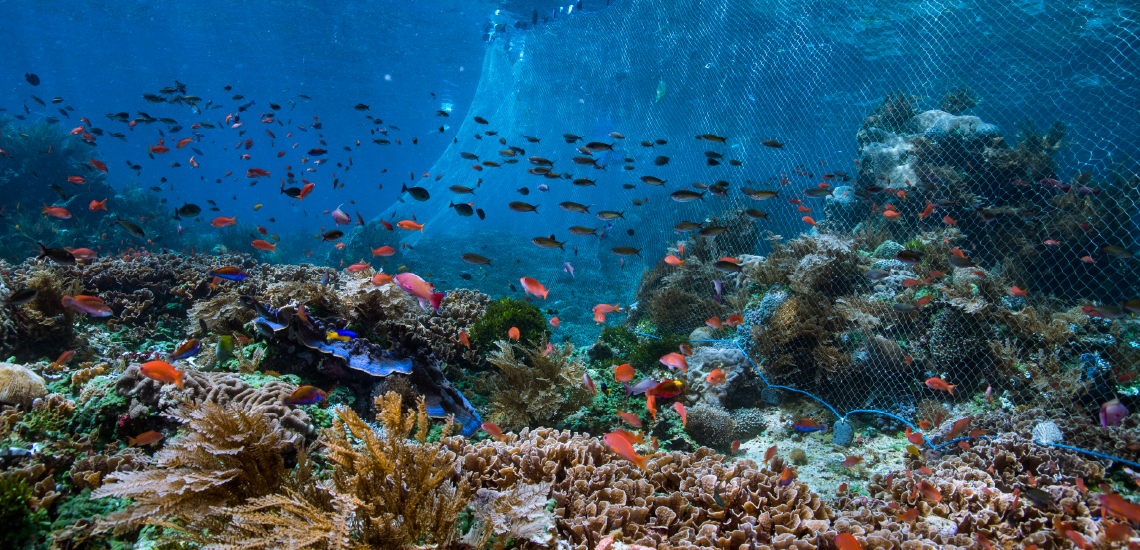
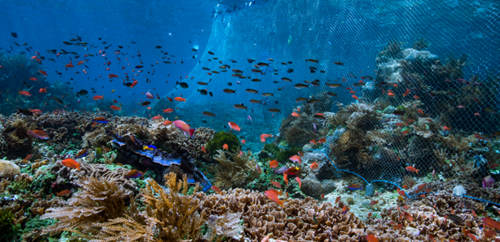
Ocean pollution is a severe problem, but there are a lot of ways to reduce it. Together we can work as a team. Everyone matters. We can all make a change. To stop oil spills, we need stronger rules and a better more efficient cleanup systems. Fighting overfishing means protecting sea life and choosing sustainable seafood. To slow climate, we must protect ocean habitats. Reducing plastic pollution by reusing and recycling to keep the sea cleaner. Saving coral reefs and making cruise ships more eco-friendly also helps protect marine life. Every action counts to keep our oceans blue and bustling with life.
Plastic Packaging
by Pauline, Clara, Marie, Nadine